Lab Rats – Studying the Science Behind Your Home

Many of us opt to ‘aim high’ when renovating or designing our space. Tall windows, walls and ceilings – they create impact and strengthen acoustics. But, did you know there’s more to those 3metre studs than meets the eye. In the name of science, your architecture choices are doing much more than meeting design expectations – they’re promoting performance and improving your conceptual thinking.

What does neuroscience have to do with building my home, you say? Think design choices that effect the way we live, work and function . . .

Sky high: The story of Jonas Salks, an American medical researcher, still remains the most cited example of the unique tie between architecture and the brain. In the 1950s, Salks – struggling to discover a cure for polo – moved to a monastery in Umbria, Italy. He claims the high ceilings and Romanesque arches enabled him to clear his obstructed mind, inspiring his solution – a vaccine was founded.

Research suggests that higher ceilings promote greater performance and strengthen conceptual thinking. On the flipside, lower ceiling spaces have been toted to improve our mathematical thinking. Think higher – think expansive, opt lower – think focused and contained.

Plant space: Research tells us that our visual connection to the outdoors also impacts our cognitive behaviours. Just being able to see a plant, a slice of the sky or a water view from the kitchen bench or dining table, influences our stress levels and mindset.  

Colour waves: Warm colours promote longevity and warmth – we want to spend time in rooms that exude softer lighting and hues. Calm and serenity on your list? Aim for blues and whites, say colour palette experts.

Lighting fix: Every aspect of home design – right down to the lighting position – can evoke mood and feelings. Wanting less formality in your home? Lighting below eye level livens the mood – think low wall lighting down hallways and corridors, and lighting above eye level creates spaciousness and deepens the mood.

Science or no science, when it comes to your home – it’s what’s on the inside that is going to count towards how you live, play and feel. www.coalesce.nz

Blender Bender – Stir don’t shake your architectural styles . . .

Oriental Warehouse LoftArchitect: Edmonds + LeeLocation: San Francisco, California

What we want in our 20s isn’t always going to fare well in our 30s, 40s – and beyond – it’s just life. Same, goes with architectural design, those white walls and spiral staircase options or New York loft-style apartment living visions, may fade out as family come to the fore. Which is why knowing how to blend your architectural styles from one life stage – or taste change – to the next is paramount for a job well done and home enjoyed.

So, before you go transforming your 1940s villa into an industrial estate, sit down with pen, paper and conscious thought.

  • Building new? Enter the 80/20 rule – think of it as a style casting – two different aesthetics shouldn’t have equal representation – you don’t want to end up with a 50/50 split personality look. So, for example, if you’re going for the modern country and industrial aesthetic. Preference either 80% modern country and 20% industrial – or vice versa. This makes for a logical following – especially when choosing big ticket items like your window types, cladding materials, roof pitch – you opt for the 80% design influence. And when it comes to your secondary options, like your fixtures, hardware and trims, this is where you call on your 20% design preference. Voila!

  • If you’re updating / renovating your existing home, aim to respect the integrity of the bones of the house and only initiate ‘big moves’ if you think you can pull it off i.e. busting down walls to create greater open spaces. Get the design to work – but don’t force it i.e. a new large glass sliding door can work to create an industrial feel in a rustic barn.

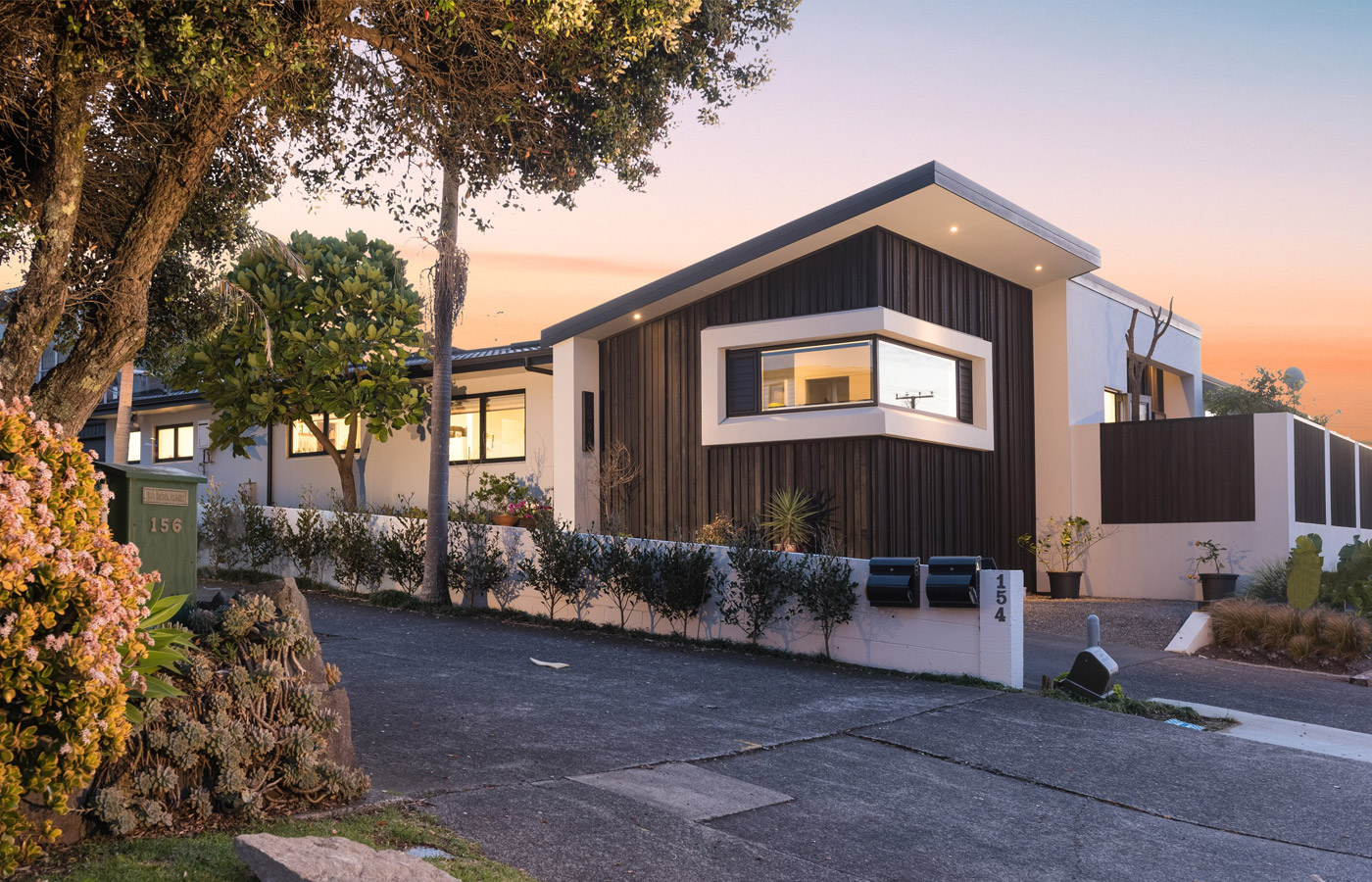
  • Simplify the design elements you like of each aesthetic – and then incorporate. For example, rectangular roof and gable ends (geometric style), combined with large exterior windows (modern edge).
  • Find your common thread – you’ll be surprised at just how many design aesthetics share similar styles. i.e. Rustic and industrial styles both embrace natural materials, earthy colours, handcrafted textures. Once you have your thread, work on weaving that ‘connection’ through your architectural design i.e. in the case of hybrid between rustic and industrial they could meet at ‘parred back, organic environment’.

It’s okay to dare to be different but ensure your home style blending is stirred not shaken, reach out to us for a no obligation chinwag.