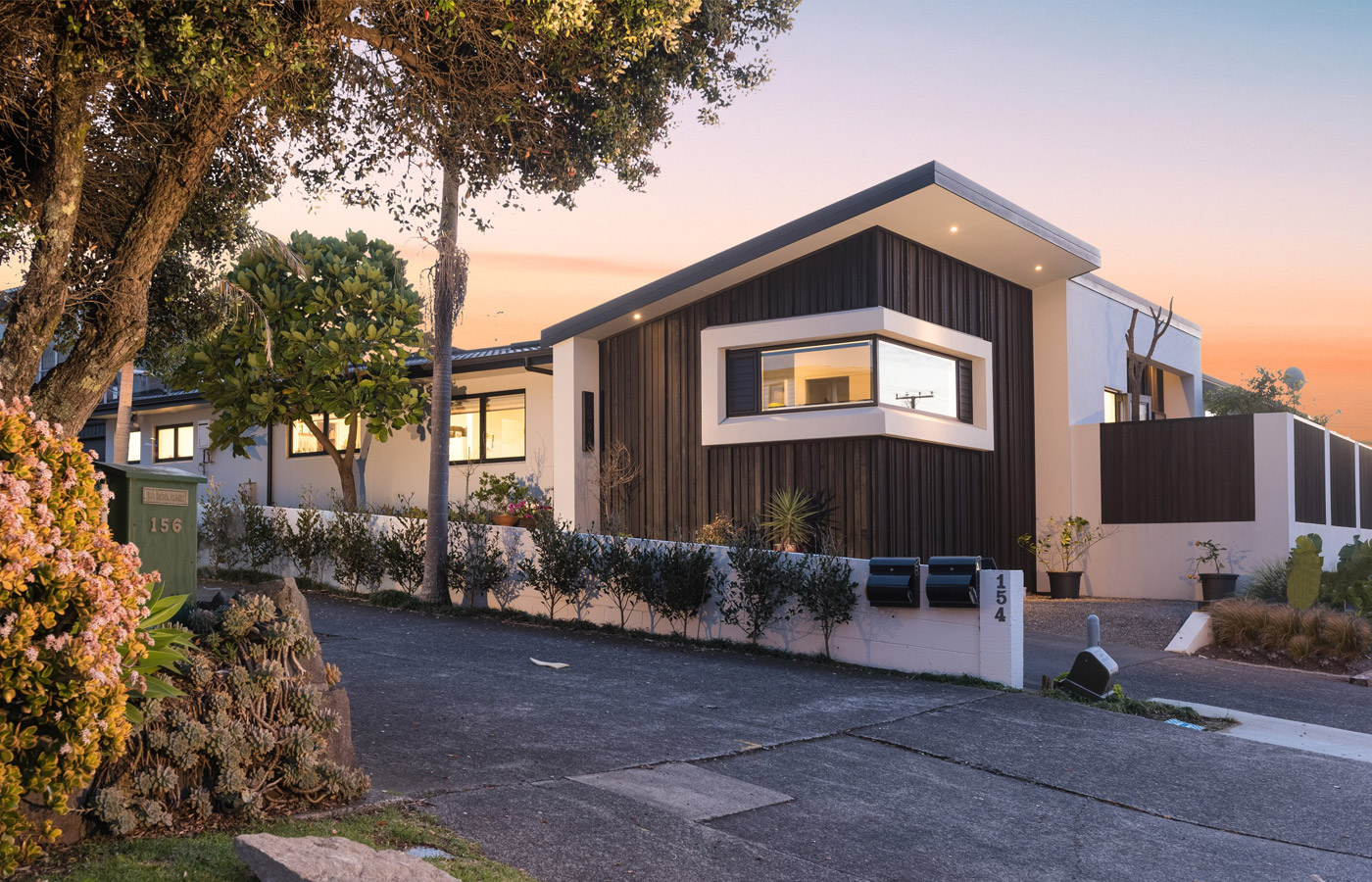
Bring on the New! Challenge your architecture in 2021

If you’re like us – in fact most people we know – you’ll be glad to say good bye to 2020. And, with Christmas early done and dusted, it’s time to seriously start thinking afresh. So, what does a little New Year spruce up in the architecture department entail for your space, place or house in 2021? Not sure? Well, you’re not alone – so why not take some creative inspiration from the horse’s mouth – or in this case, architects house. There’s nothing wrong with daring to be a little different – after all you’ve got to do for you not everyone else. Here’s what a few top architects have injected into their own home design – and are still loving . . .

Frank Gehry (designed the Guggenheim) – Transformed a Dutch colonial style house into a ad hoc home using corrugated iron, chain-link fencing – deliberately aiming for the ‘deconstruction’ look, engaging shadows and angles.

Daisuke Ibano – This Tokyo architect built himself a house of boxes. It is both light, slender and although it may look a little precarious, it is enchanting.

Luis Barragán – Known for his sparse and cool architecture, injected a flash of ‘something else’ into his home he designed in 1947. Think a full-window wall with cross-shaped glazing bars, pastel geometry on the rooftop, sculptural monoliths (very on trend currently) and concrete.

Albert Frey – His 1960 Palm Spring construction cantilevers itself from a huge boulder which bursts through the living space.

What ever your creative flair or penchant for the different – regardless of where you seek your inspiration. Life’s too short not to surround yourself with the right design for your speak. www.coalesce.nz

Lab Rats – Studying the Science Behind Your Home

Many of us opt to ‘aim high’ when renovating or designing our space. Tall windows, walls and ceilings – they create impact and strengthen acoustics. But, did you know there’s more to those 3metre studs than meets the eye. In the name of science, your architecture choices are doing much more than meeting design expectations – they’re promoting performance and improving your conceptual thinking.

What does neuroscience have to do with building my home, you say? Think design choices that effect the way we live, work and function . . .

Sky high: The story of Jonas Salks, an American medical researcher, still remains the most cited example of the unique tie between architecture and the brain. In the 1950s, Salks – struggling to discover a cure for polo – moved to a monastery in Umbria, Italy. He claims the high ceilings and Romanesque arches enabled him to clear his obstructed mind, inspiring his solution – a vaccine was founded.

Research suggests that higher ceilings promote greater performance and strengthen conceptual thinking. On the flipside, lower ceiling spaces have been toted to improve our mathematical thinking. Think higher – think expansive, opt lower – think focused and contained.

Plant space: Research tells us that our visual connection to the outdoors also impacts our cognitive behaviours. Just being able to see a plant, a slice of the sky or a water view from the kitchen bench or dining table, influences our stress levels and mindset.  

Colour waves: Warm colours promote longevity and warmth – we want to spend time in rooms that exude softer lighting and hues. Calm and serenity on your list? Aim for blues and whites, say colour palette experts.

Lighting fix: Every aspect of home design – right down to the lighting position – can evoke mood and feelings. Wanting less formality in your home? Lighting below eye level livens the mood – think low wall lighting down hallways and corridors, and lighting above eye level creates spaciousness and deepens the mood.

Science or no science, when it comes to your home – it’s what’s on the inside that is going to count towards how you live, play and feel. www.coalesce.nz