Bring on the New! Challenge your architecture in 2021

If you’re like us – in fact most people we know – you’ll be glad to say good bye to 2020. And, with Christmas early done and dusted, it’s time to seriously start thinking afresh. So, what does a little New Year spruce up in the architecture department entail for your space, place or house in 2021? Not sure? Well, you’re not alone – so why not take some creative inspiration from the horse’s mouth – or in this case, architects house. There’s nothing wrong with daring to be a little different – after all you’ve got to do for you not everyone else. Here’s what a few top architects have injected into their own home design – and are still loving . . .

Frank Gehry (designed the Guggenheim) – Transformed a Dutch colonial style house into a ad hoc home using corrugated iron, chain-link fencing – deliberately aiming for the ‘deconstruction’ look, engaging shadows and angles.

Daisuke Ibano – This Tokyo architect built himself a house of boxes. It is both light, slender and although it may look a little precarious, it is enchanting.

Luis Barragán – Known for his sparse and cool architecture, injected a flash of ‘something else’ into his home he designed in 1947. Think a full-window wall with cross-shaped glazing bars, pastel geometry on the rooftop, sculptural monoliths (very on trend currently) and concrete.

Albert Frey – His 1960 Palm Spring construction cantilevers itself from a huge boulder which bursts through the living space.

What ever your creative flair or penchant for the different – regardless of where you seek your inspiration. Life’s too short not to surround yourself with the right design for your speak. www.coalesce.nz

House Done – It’s Time to Go Native

So, why plan your planting early? Because it means that once the windows are in, the cladding’s been painted, drains and spouting done, and driveway marked out, you can start to get stuck in to specific areas. And the sooner you plant, the sooner they grow and begin filling out spaces and softening exteriors.

Once you’ve ticked the boxes on your architectural design and you’ve got your build rolling, it’s a good time to step up and smell the corokias. Say what? We’re talking landscaping speak, which although is something that mostly gets planted out at the end of your project, it’s something that can be planned in advance. And, the great news is, you don’t need a physical building to plan it in and around – simply go off your drawings. Easy!

Whilst there’ll be a garden genre/fit for every home, we’re currently in the business of native speak – dishing out Kiwi plant advice to a few clients who are hoping to up the anti on homeland planting around their new spaces. We’re not plant or landscaping experts, but we do appreciate the language of landscaping done well, and native trees and shrubs that lend themselves to the home environment – and don’t detract from its architectural speak.

So, what are our clients planting in their new scapes?

  • A combination of corokia, hebes and flaxes – think Jack Sprat, Chocolate Fingers and Thumbelina – which all compliment and contrast in shades of ruddy browns, warm purples, soft greys and rich greens.
  • Hedges and backdrops – in Griselinia Lucida which has a larger leaf – unlike the broadway mint which is more commonly used.
  • Manuka hedges – both white and red varieties.
  • Titoki – as a stand-alone feature tree (won’t drop leaves), also makes an ideal hedging tree.
  • Chatham Island Forget-me-not, which is ideal for our beachside/coastal clients wanting a glossy, large leaf plant that clumps.
  • Pittosporum – such a Mountain Green – ideal for hedges, Tom Thumb – which is dense, slow growing, but provides good contrast in colour with small reddish-brown leaves.
  • Tussock speak, for dry sites – a silver tussock like Poa Cita is ideal, for damp ground, Juncus Edgariae grows well. For an eye-catching grass – Carex Albula – is a pale, pale silvery green.
  • If you’re wanting a glossy native climber, you can’t go past Tecomanthe Speciose – famously discovered on Three Kings Island in 1946, it is one of the rarest in the world – and with its creamy white flowers and dark glossy leaves, we think one of the most attractive too!

Happy native landscaping!

Lab Rats – Studying the Science Behind Your Home

Many of us opt to ‘aim high’ when renovating or designing our space. Tall windows, walls and ceilings – they create impact and strengthen acoustics. But, did you know there’s more to those 3metre studs than meets the eye. In the name of science, your architecture choices are doing much more than meeting design expectations – they’re promoting performance and improving your conceptual thinking.

What does neuroscience have to do with building my home, you say? Think design choices that effect the way we live, work and function . . .

Sky high: The story of Jonas Salks, an American medical researcher, still remains the most cited example of the unique tie between architecture and the brain. In the 1950s, Salks – struggling to discover a cure for polo – moved to a monastery in Umbria, Italy. He claims the high ceilings and Romanesque arches enabled him to clear his obstructed mind, inspiring his solution – a vaccine was founded.

Research suggests that higher ceilings promote greater performance and strengthen conceptual thinking. On the flipside, lower ceiling spaces have been toted to improve our mathematical thinking. Think higher – think expansive, opt lower – think focused and contained.

Plant space: Research tells us that our visual connection to the outdoors also impacts our cognitive behaviours. Just being able to see a plant, a slice of the sky or a water view from the kitchen bench or dining table, influences our stress levels and mindset.  

Colour waves: Warm colours promote longevity and warmth – we want to spend time in rooms that exude softer lighting and hues. Calm and serenity on your list? Aim for blues and whites, say colour palette experts.

Lighting fix: Every aspect of home design – right down to the lighting position – can evoke mood and feelings. Wanting less formality in your home? Lighting below eye level livens the mood – think low wall lighting down hallways and corridors, and lighting above eye level creates spaciousness and deepens the mood.

Science or no science, when it comes to your home – it’s what’s on the inside that is going to count towards how you live, play and feel. www.coalesce.nz

We’ve Got the Look – The what’s what in New Zealand architecture

Trendsetter or trend follower, these days it’s hard to keep up – let alone catchup – with what’s happening on the trends front – be it fashion, lifestyle or home. So, can pinning down a true-blue Kiwi architecture style actually be done? Afterall, we entertained the Bay Villa in the early 1900s, we built the bungalow in the 20s, channelled the art deco in the 30s, state housing came to the fore in the 40s and following the 1950s, we saw a most-modernist swing towards contemporary architecture that embraced the indoor/outdoor flow – influenced by traditional Maori buildings and our Kiwi lifestyle.

achirtecure awards 2

According to judges at last year’s World Architectural festival, today’s Kiwi architecture landscape is more in tune with the environment than ever before. The judges awarded the Best Villa title to a Golden Bay designed ‘Bach with Two Roofs’ Villa – designed by two Nelson architects – saying it represented – “Architecture, not as a frozen expression in time, but as an evolving expression of life. A project with environmental considerations at heart and the stewardship of one of depleting resources, the forest.”

With nature and sustainability leading the way, and an all-embracing attitude towards coupling with our environment, what are a few of the key elements we should look to when designing the Kiwi home for the 21st Century and beyond?

  • Texture and depth to reflect landscapes: Dark Graphite benches – which channel rocky outcrops, tall white gloss cabinetry – to reflect views and hills.
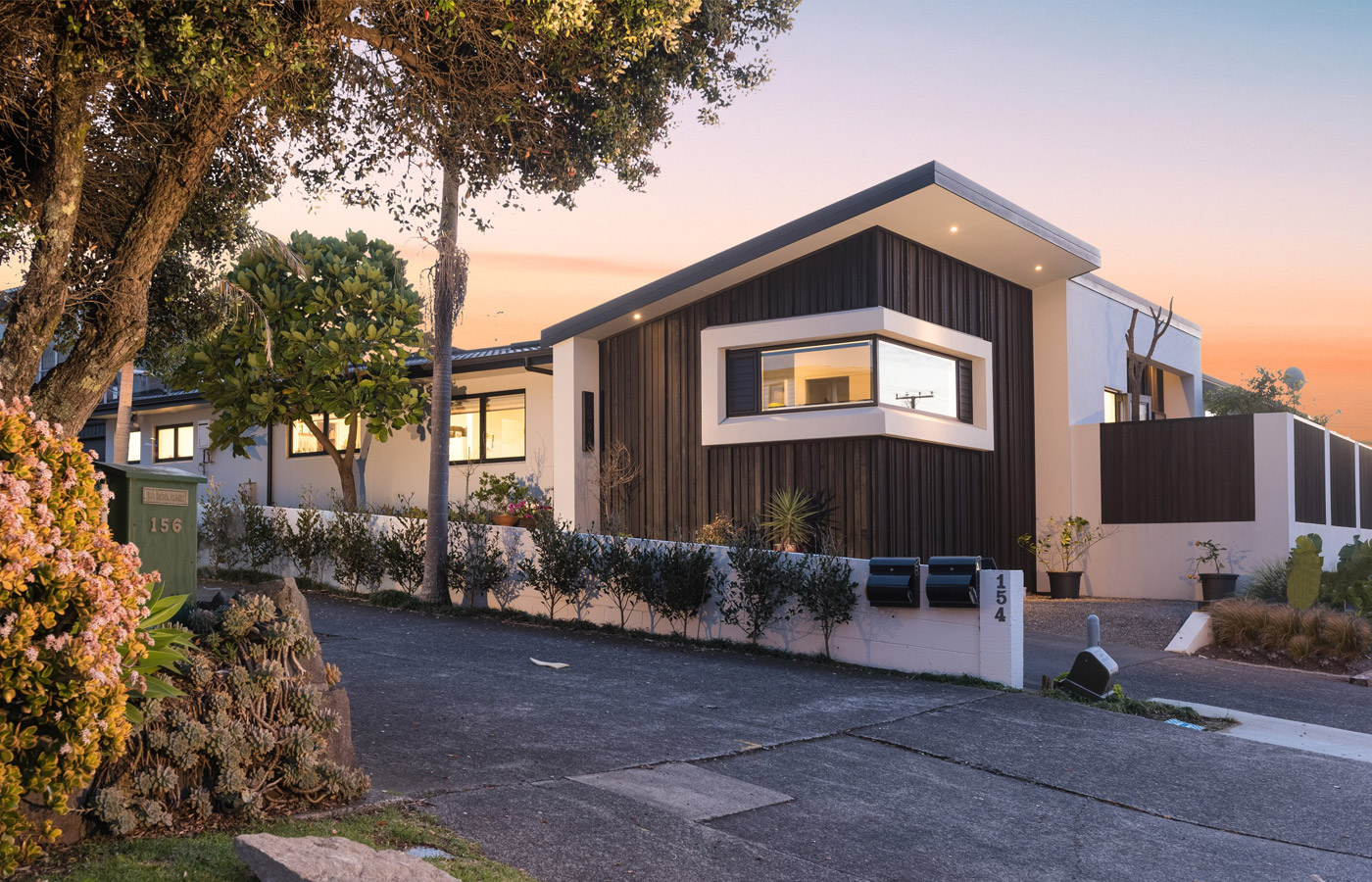
  • Natural timber exterior wall cladding; interior walls lined with plywood – for interesting grains and intricacy.
  • Concrete with a board-formed finish.
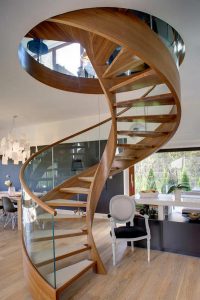
  • Floating internal and external staircases.
  • Homes which naturally slide into a surround of native shrubs and trees.
  • Slot windows and skylights.
  • ‘outdoor rooms’ – with extended roofs and wide openings.
  • Paint speak – black remains top of the ranks, indoors and outdoors.
  • Mid-century influences of ‘built in’ furniture – bench seats and bunk beds included.
architecture awards 3

When it comes to architecture and designing your home, it shouldn’t be about keeping up with the Jones’, rather staying true to your wants, needs and surrounds. We may have plenty of sheep Down Under, but we’ve never been ones to follow. www.coalesce.nz

Strike a balance between your architectural design ‘must-haves’ and your budget ‘full-stops’

So, you’re designing a new place. Whatever your fit – house, apartment, barn, cottage – striking a balance between your ‘true’ wants, your budget end point and investment in ‘other rooms and spaces’ is essential for long-term satisfaction and enjoyment.

So, how do you actually achieve the architectural space you visualise without losing your mind and budget figure in the process? Firstly, set the budget numbers aside and hone in specifically on the design process.

Why? Because all too often we hear stories of clients who ‘had’ these exciting dreams and visions at the beginning of a project, only to arrive at the end and have a home that is ‘nice and lovely’ but lacks the ‘true’ soul and spirit they’d envisaged.

From a designer’s perspective, many homeowners inevitably fall into this spiral of trying to do ‘too’ much with ‘not enough’, which arguably results in a project that fails to impress where it should.

Ultimately, clever design relies on smart use of space and creative application of materials, both linked to a thorough understanding of how you live and how you want to live. For example, a designer can capture that ‘soul and vision’, by increasing the height of ceilings in living areas, or featuring specialist finishing materials on walls or ceilings i.e. timber sarked ceiling as opposed to gib, or creating a larger door/opening that connects your indoor and outdoor spaces.

Articulate design isn’t about digging deeper into your pocket, it’s about honing the real reasons behind the architectural project.

Seeking architectural expertise across Tauranga, Mount Maunganui, Te Puke, Kati Kati and beyond? Seek us, Coalesce Architecture, we have over 40 years combined experience in all areas of design.